Kodak Confirms Data Breach Following ShinyHunters Claims
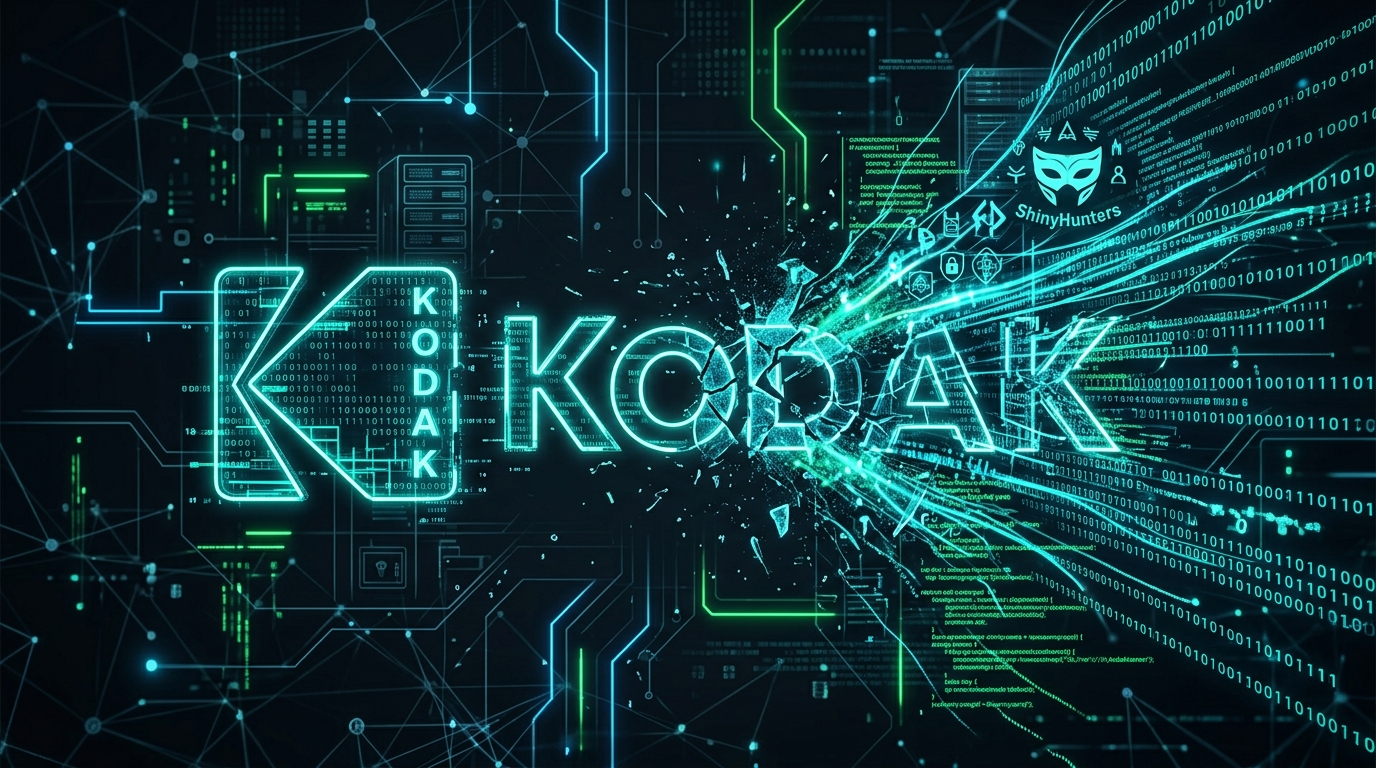
Photography giant Kodak has officially admitted to a data breach after claims were made by the notorious cybercrime group ShinyHunters. The breach is said to affect customer information.
What Happened
Kodak, a name synonymous with photography at the dawn of the digital age, found itself at the center of a cybersecurity crisis in mid-2026. The company was forced to confirm that its systems had suffered a data breach, following claims made by the infamous cybercrime group ShinyHunters. This development has raised serious questions about the cyber resilience of the once-dominant tech giant and its ability to protect customer data. The incident first came to light when ShinyHunters announced on dark web forums that it was selling a database allegedly belonging to Kodak. While such claims are common in the cyber world, ShinyHunters' track record of successful and high-profile leaks made the threat one to be taken seriously. The group had previously targeted numerous large corporations and proven its claims, which increased the pressure on Kodak.
Initially, there was silence from Kodak. This is a standard procedure companies often follow while investigating a claim, assessing the damage, and determining their legal obligations. However, the cybersecurity community and the media were closely monitoring the allegations. After several days of uncertainty, Kodak issued an official statement confirming the breach. This admission revealed that ShinyHunters was not bluffing and that the company's defensive lines had indeed been penetrated. The statement confirmed that the incident was not just a rumor, but a real security failure for a brand with a potentially massive user base. Such events can deeply tarnish a company's reputation, and rebuilding customer trust requires a long and arduous process. Following the latest Data Breach News can show just how common this dynamic has become.
What Data Was Leaked
According to Kodak's statement and ShinyHunters' claims, the breach centers on customer information. While the company has refrained from providing a detailed list of exactly which data types were compromised, the information typically targeted by cybercrime groups in such attacks is well-known. The stolen data is believed to include users' personal and account information. This usually encompasses full names, email addresses, physical addresses, phone numbers, and password hashes.
Each of these pieces of information holds a different value for cybercriminals. For instance, email addresses and names are used for targeted phishing attacks. Criminals can send fraudulent emails, appearing to be from Kodak, to try and steal more sensitive information (credit card numbers, passwords, etc.) from users. The leakage of password hashes poses a separate threat. Modern systems do not store passwords in plain text; instead, they are put through a cryptographic process called hashing. However, if users have weak or common passwords, these hashes can be cracked using specialized software and hardware. One of the biggest risks is the habit of password reuse. Many people use the same password across different platforms. If your Kodak password is the same as the one for your banking or social media account, criminals could use this information to attempt to gain access to your other accounts as well.
How Did the Attack Happen
As of the writing of this news on June 18, 2026, the technical details of the attack have not been shared with the public. Kodak has not provided any information on how the cybercriminals infiltrated its systems, what security vulnerability they exploited, or how long the attack lasted. This is quite common in the aftermath of a cyberattack. Companies often keep technical details confidential until the investigation, conducted with digital forensics experts and law enforcement, is complete. There are several reasons for this. First, it is to prevent the leakage of critical information for the integrity of the investigation. Second, it is to prevent the same or similar security flaws from being exploited again by other attackers. For now, one can only speculate about the attack vector, the tools used, or the vulnerability exploited, but one thing is certain: ShinyHunters managed to find a gap in Kodak's digital defenses.
Who Is Affected
Those directly affected by the data breach are customers who use or have used Kodak's online services. This could include anyone registered for Kodak's digital services, such as its photo printing services, cloud storage solutions, or e-commerce platform. The company has not disclosed a specific number of affected users. However, given that groups like ShinyHunters typically target large datasets, it is estimated that the data of a potentially large user base is at risk. If you have had any digital interaction with Kodak, created an account, or subscribed to one of its services, there is a possibility that you have been affected by this breach. The most proactive approach at this point is to act under the assumption that your data has been compromised.
What Can You Do
If you have an account with Kodak or are concerned that your data may have been compromised, there are several important steps you can take immediately:
- Change Your Password Immediately: The first and most important thing to do is to change your Kodak account password. Make sure your new password is strong: use a combination of at least 12 characters, including uppercase/lowercase letters, numbers, and symbols. More importantly, do not use this new password anywhere else.
- Review the Risk of Password Reuse: If you used your Kodak password on other platforms (social media, email, banking), it is critical that you change the passwords for those accounts immediately. Attackers will try to use the leaked passwords on other popular sites to take over your accounts.
- Enable Two-Factor Authentication (2FA): Enable 2FA wherever possible, especially on your important accounts. 2FA provides an additional layer of security that prevents access to your account even if your password is stolen.
- Be Wary of Phishing Emails: In the coming weeks and months, there will likely be an increase in fake emails pretending to be from Kodak. These emails may ask you to "verify your account" or click on a link. Never click on suspicious links and do not share personal information via email.
- Check Your Accounts: If you're curious whether your own data has been exposed in this or other leaks, you can get help from trusted platforms. You can use a Data Breach Search service to check if your email address has appeared in any known breaches.
What Is the Company Saying
In its public statement, Kodak confirmed the data breach and stated that it is working with leading cybersecurity firms to investigate the incident. The company also mentioned that it has notified the relevant regulatory bodies and law enforcement agencies. Kodak's statement emphasized that customer security is its highest priority and that all necessary steps are being taken to protect affected individuals. However, the company has not yet provided clear information on whether it will offer concrete support, such as free credit monitoring services or identity theft protection, to affected users. The company's response is seen on one hand as an effort to be transparent, but on the other, it is being criticized for its silence on critical issues like the details of the attack and the number of affected users. The steps Kodak takes in the coming days will determine its success in rebuilding its brand image and regaining customer trust.
Source
https://www.securityweek.com/kodak-admits-data-breach-after-shinyhunters-hack-claims/
This content was generated with AI assistance through our Argus Flow application. We are continuously working to improve Argus Flow; if you encounter any issues such as translation errors, incorrect sources, or unverified information, you can report them using the button below. We appreciate your feedback.