
EdTech Sector in Cyber Crisis as Data Breaches Increase
US-based cybersecurity firm Resecurity announced that the education technology (EdTech) sector has become a primary target for cybercriminals. With groups like ShinyHunters and FulcrumSec targeting schools and related platforms, sensitive data is being exposed and services are being disrupted.
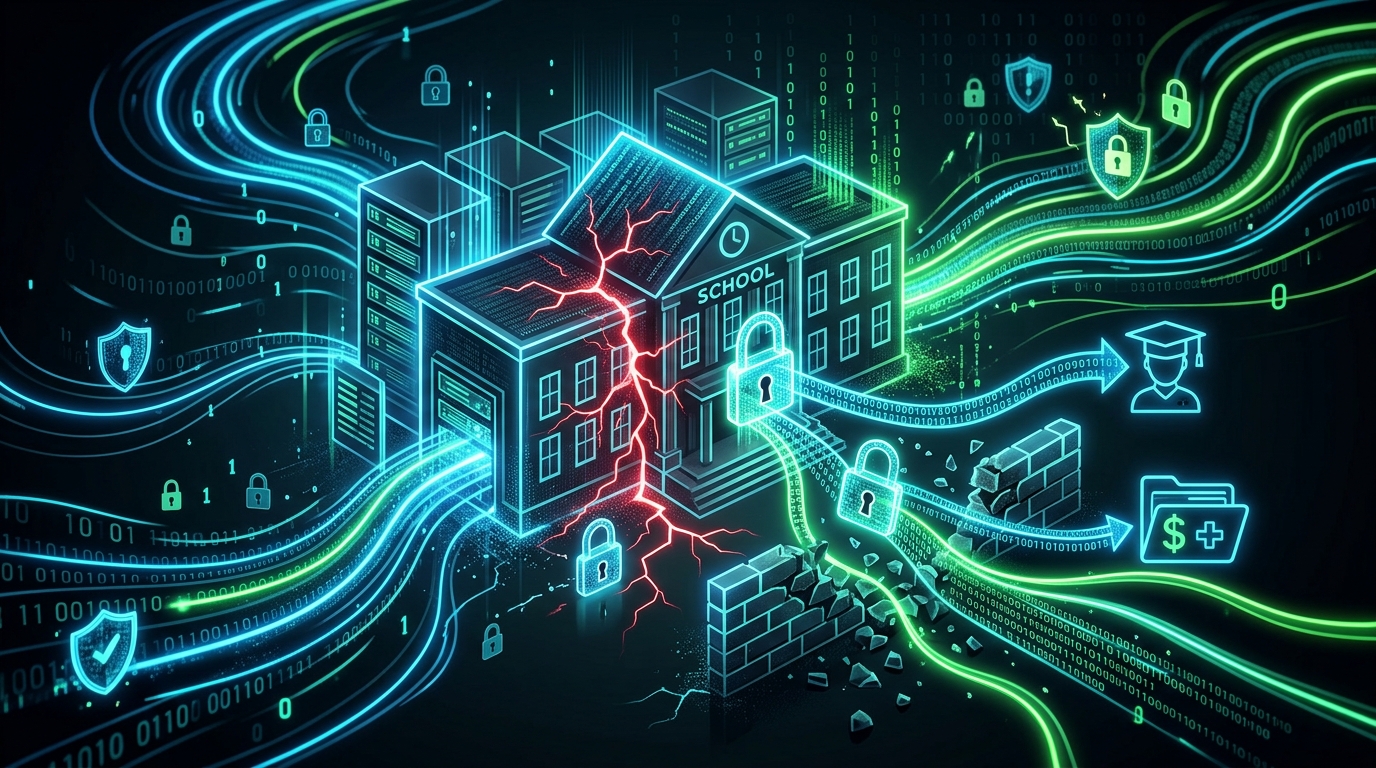
What Happened
As the world of education becomes increasingly digital, cyber threats are knocking on the classroom door. On June 17, 2026, the US-based cybersecurity firm Resecurity released a report sounding the alarm for the education technology, or EdTech, sector. According to the report, schools, universities, and the technology platforms that serve them have become the new favorite target for cybercriminals. Attacks have seen a significant escalation recently. The fact that notorious hacker groups like ShinyHunters and FulcrumSec are turning their attention to this area shows just how deep the crisis has become.
The shift to remote learning during the pandemic initiated a golden age for EdTech companies. Millions of students, teachers, and parents flocked to these platforms to follow lessons, submit assignments, and maintain communication. However, this rapid and uncontrolled growth meant that security infrastructures could not keep pace. According to Resecurity's analysis, cybercriminals are targeting this exact weak link: the digital systems of institutions that were hastily set up, insufficiently tested, and suffering from a lack of resources. For attackers, this sector is like a treasure chest filled with valuable data, but with its lock left open. The primary goal of these attacks is not just to steal data, but also to create chaos by disrupting educational activities and demanding ransoms. This situation directly threatens not only the companies but also the future of millions of students.
What Data Was Compromised
The nature of the data compromised in these attacks makes the situation even more alarming. By their very nature, EdTech platforms store vast amounts of personal information belonging to one of society's most sensitive groups: children and young people. This data is not just a name or an email address. It often includes critical information such as:
- Student Information: Basic identity details like full name, date of birth, home address, phone numbers, and national identification numbers.
- Parent Information: Personal and financial information of parents, including credit card details and work addresses.
- Academic Records: Extremely private information such as grades, class schedules, attendance records, disciplinary records, and counseling notes.
- Health Data: Confidential health information about students, such as allergies, chronic illnesses, or medications they use.
The exposure of this data to cybercriminals can have consequences far beyond a simple data leak. The identity information of children and teens could be used for future identity theft or to open fraudulent accounts in their names. Families' financial information could pave the way for fraud. Worst of all is the possibility of this sensitive data being used as blackmail material or sold on dark web forums. The disclosure of a student's disciplinary record or private health information could lead to lifelong psychological and social problems. Therefore, every data breach in the EdTech sector is, in fact, a threat to the future.
How Did the Attack Happen
While Resecurity's report indicates that attacks are on the rise and that groups like ShinyHunters and FulcrumSec are playing an active role, detailed information about the specific technical methods used in these attacks has not yet been shared with the public. Technical details such as which security vulnerabilities were exploited, which servers were infiltrated, or what type of malware was used remain unclear for now. In such incidents, technical details are often withheld to protect the integrity of ongoing investigations.
However, considering the general security weaknesses of the sector, it is possible to speculate on the likely entry points. Many EdTech platforms have complex architectures formed by integrating different systems. This means more potential entry points for attackers, i.e., a larger attack surface. Weak passwords, unpatched software, configuration errors, and social engineering attacks targeting staff are common vulnerabilities in the education sector. It is believed that criminals are exploiting these known weaknesses.
Who Is Affected
The impact of this wave of cyberattacks is not limited to just a few technology companies. It affects a broad cross-section of society through a chain reaction:
- Students: The most innocent and vulnerable victims of the attacks. The exposure of their personal data leaves them facing risks of identity theft, cyberbullying, and potential future fraud.
- Parents: In addition to worrying about their children's safety, they face a double threat as their own financial and personal data is also at risk.
- Educators and School Staff: Their personal information, salary details, and contact information are also at risk. Furthermore, their ability to teach and carry out administrative tasks is severely hampered by service disruptions.
- Educational Institutions (Schools, Universities): Data breaches represent a significant loss of reputation for these institutions. They can face legal sanctions, fines, and a loss of trust from parents. The disruption of education is the biggest operational blow.
- EdTech Companies: It is very difficult for an EdTech company to survive after losing customer trust. These attacks cause companies to suffer significant financial and brand value losses.
What Can You Do
There are some measures individuals and institutions can take in the face of this cyber crisis. While it's impossible to be completely safe, you can reduce the risk. So, what can you do?
- Be Aware and Ask Questions: As a parent or student, ask your school administration what security measures the educational platforms you use have in place. You have the right to request information about how your data is protected.
- Use Strong Passwords: Use long, complex, and hard-to-guess passwords for all your educational platform accounts. If possible, set a different password for each platform. Enable two-factor authentication (2FA).
- Watch Out for Phishing Attacks: Attackers can use the stolen data to send you or your child much more convincing phishing emails. Do not click on links in suspicious emails that look like "urgent password reset" or "update your account information" requests.
- Check If Your Data Has Leaked: After major breaches like these, it is important to find out if your data has fallen into the hands of cybercriminals. You can check for any leaks associated with your email address using a reliable Data Breach Search tool.
- For Institutions: Educational institutions and EdTech companies must urgently increase their cybersecurity budgets, conduct regular penetration tests, train their staff on cybersecurity, and prepare an incident response plan for a potential attack.
What the Company Is Saying
The warning that is the subject of this news came directly from the cybersecurity firm Resecurity. The firm emphasizes that alarm bells are ringing in the EdTech sector and that the situation must be taken seriously. According to Resecurity's analysis, cybercriminals see this sector as an easy and profitable target. The report published by the firm highlights the increasing activities of groups like ShinyHunters and FulcrumSec. Resecurity calls on educational institutions and technology providers to take proactive security measures, strengthen their existing systems, and remain constantly vigilant against potential threats. The company issues a clear warning that these attacks may only be the beginning and that if no action is taken, much larger and more devastating breaches could occur.
Source
This content was generated with AI assistance through our Argus Flow application. We are continuously working to improve Argus Flow; if you encounter any issues such as translation errors, incorrect sources, or unverified information, you can report them using the button below. We appreciate your feedback.