
EdTech Has Become Hackers' New Favorite Target
Data breaches and ransomware attacks are on the rise as cybercriminals target educational technology (EdTech) platforms. The data of millions of students, parents, and educators is at significant risk. What does this new target mean, and how can we protect ourselves?
What Happened
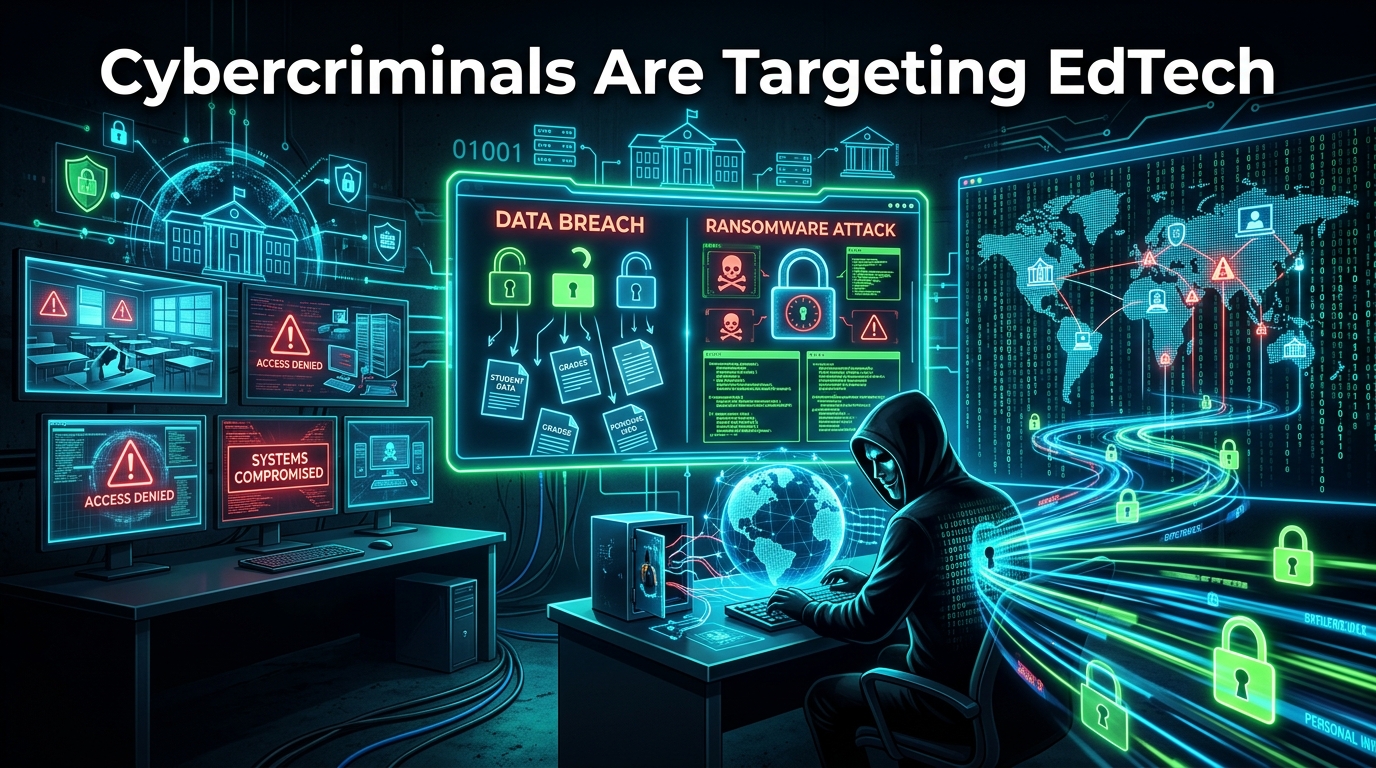
As the world of education becomes more digital, a new and highly profitable door has opened for cybercriminals. Recent analyses show that the educational technology sector, or EdTech, has firmly appeared on hackers' radar. Cyberattackers, who previously focused on the finance and healthcare sectors, have now turned their attention to the software used by schools, universities, and online learning platforms. A report from DataBreaches.net dated June 17, 2026, underscores this dangerous trend. According to the report, data breaches and ransomware attacks are increasing at an alarming rate in this field.
The rapid shift to remote learning, accelerated by the pandemic, suddenly turned EdTech companies into massive entities managing the data of millions of users. Student information systems, online exam platforms, digital course materials, and parent communication portals... all have become data warehouses. However, this rapid growth was unfortunately not matched by the development of robust cybersecurity infrastructures. Many EdTech platforms either avoided implementing the necessary strong security measures to protect user data or failed to allocate sufficient budget for it. This situation is a godsend for cybercriminals. Systems with low security but filled to the brim with valuable data are like an open invitation to them. Attackers are no longer just targeting large corporations but are now aiming at educational institutions and the technology firms that serve them, viewing them as the weakest link.
Data Compromised
The variety and sensitivity of the data that can be stolen in an attack on EdTech platforms make the situation even more severe. The information attackers are after is not just simple usernames and passwords. The types of data typically compromised include:
- Student Personal Information: Basic information that can be used directly for identity theft, such as full name, national ID number, date of birth, home address, and phone number. The data of children and teenagers is considered particularly valuable on the dark web because it can be misused for years without being detected.
- Parent Information: Financial information belonging to parents, including credit card numbers, work addresses, and contact details. This data is used for direct financial fraud.
- Academic Records: Information such as grades, transcripts, disciplinary records, and attendance. This type of data can be used for blackmail or to damage a person's reputation.
- Health Information: Extremely sensitive health data stored in school systems, such as allergies, chronic illnesses, or psychological counseling notes.
- Communication Records: Private messages, emails, and forum discussions between teachers, students, and parents.
The leakage of this data does not only lead to identity theft or financial loss. It creates far more serious risks, especially for children and young people, such as cyberbullying, blackmail, and abuse. The leak of a student's disciplinary record or a private message can turn their social life and psychological well-being upside down.
How the Attack Occurred
The source article does not provide specific technical details of any particular attack. However, looking at the general attack trends in the sector, it is known that attackers usually target the weakest link. There are some common methods frequently seen in attacks on EdTech platforms. Attackers often exploit known but unpatched security vulnerabilities to infiltrate these systems. Or they resort to a much simpler method: phishing attacks. A fake email sent to school staff or teachers can be enough to compromise administrative passwords.
Another common vulnerability is weak password policies and the lack of multi-factor authentication (2FA). Many platforms do not force users to create complex passwords and do not offer an additional security layer like 2FA. This allows passwords to be easily guessed through brute-force attacks. Once attackers infiltrate a system, they try to move laterally to gain more privileges and access the most valuable databases. In ransomware attacks, the goal is to encrypt the entire school system, bringing education to a halt, and demand a hefty sum to restore the data.
Who Is Affected
The victims of such attacks are not just the individuals whose data was stolen. The impact is much broader.
Students: The most vulnerable group. The leakage of their personal data makes them open targets for identity theft, cyberbullying, and future financial fraud.
Parents: Their financial information and personal contact details are at risk. Their concerns about their children's safety increase, and their trust in the institution is shaken.
Educational Institutions: The consequences can be devastating for schools and universities. Ransomware attacks can completely halt education and force the cancellation of exams. Data breaches can lead to both severe legal penalties (like GDPR fines) and a significant loss of reputation. Parents may want to withdraw their children from the school.
EdTech Companies: The company that owns the attacked platform loses market share, customer trust, and brand value. They face a crisis that could take years to recover from.
What You Can Do
So, what can you do as a student, parent, or educator in this situation? You are not completely helpless. There are some basic precautions you can take:
- Password Hygiene: Set different and complex passwords for all the educational platforms you use. Never use the same password in more than one place. Using a password manager can make your life easier.
- Enable Multi-Factor Authentication (2FA): If the platform you use offers this feature, definitely enable it. This is one of the most effective ways to prevent unauthorized access to your account, even if your password is stolen.
- Be Cautious of Phishing Attacks: Be skeptical of emails that appear to come from the school or educational platform. Do not click on links in messages that ask for your password or personal information and create a sense of urgency.
- Don't Share Unnecessary Information: When filling out your profile on platforms, leave non-mandatory fields blank. The less information you share, the safer you'll be.
- Pressure the School Administration: As parents and students, you can demand transparency from the school administration and the EdTech companies they use regarding cybersecurity measures. It is your right to ask how your data is being protected.
What the Company Says
The source article does not include an official statement from EdTech companies or any specific institution in response to this general trend. Typically, in such incidents, companies prefer to make standard statements due to legal obligations and public relations concerns. Vague phrases like, "We take security very seriously," or "We are working with leading cybersecurity firms to investigate the incident," are often used. However, what is truly important beyond such statements is the tangible support offered to affected users. Companies are expected to transparently disclose what data was leaked, offer free identity theft protection services to users, and clearly state what steps they will take to prevent similar incidents in the future.
Source
This content was generated with AI assistance through our Argus Flow application. We are continuously working to improve Argus Flow; if you encounter any issues such as translation errors, incorrect sources, or unverified information, you can report them using the button below. We appreciate your feedback.