
iRhythm Hit by Cyberattack Patient Data Stolen
U.S.-based digital healthcare company iRhythm Technologies has disclosed a cyberattack originating from third-party apps. The breach involved the theft of sensitive patient data and proprietary company information, with the attackers demanding a ransom.
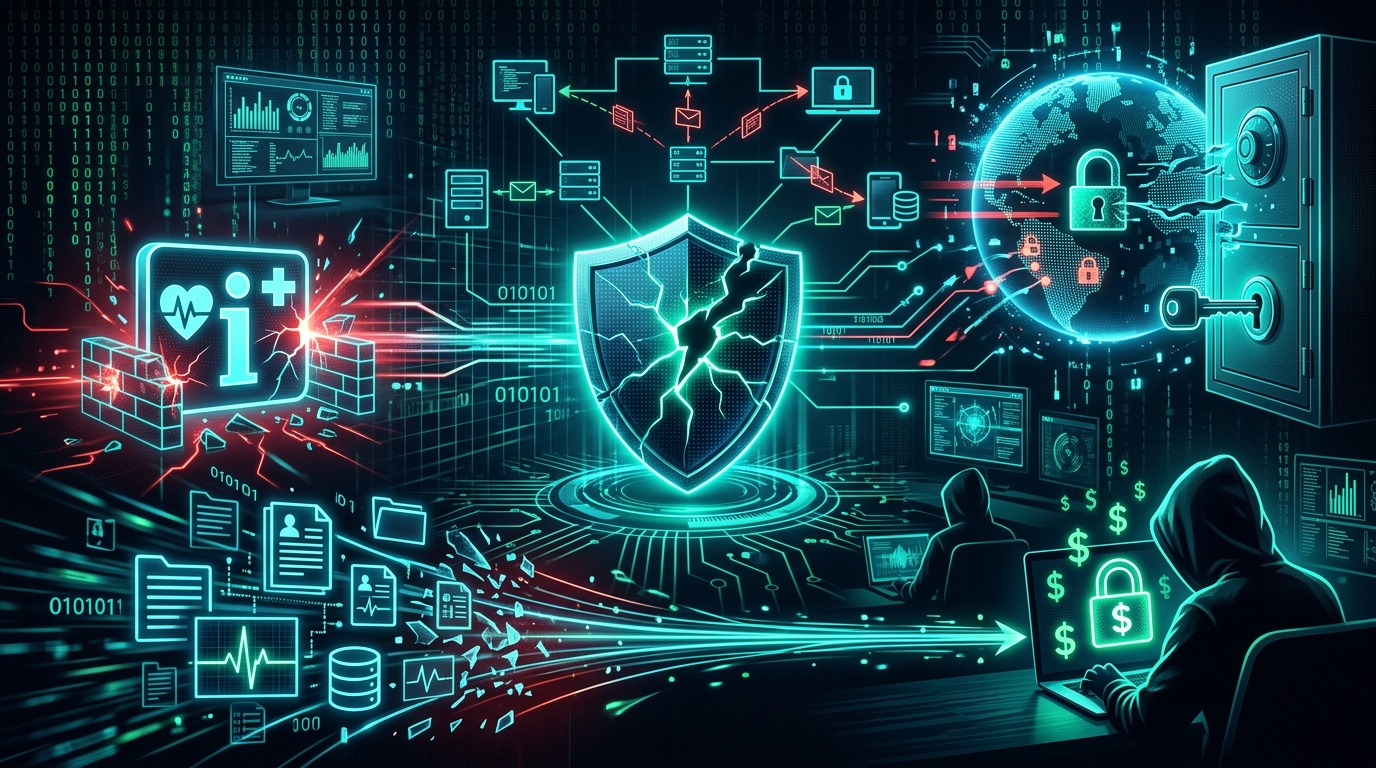
What Happened
June 16, 2026 – iRhythm Technologies, a prominent U.S.-based digital healthcare company known for its wearable heart monitors, announced today that it has been hit by a cyberattack. The company confirmed that attackers infiltrated its systems, stealing both patient data and proprietary corporate information. Complicating matters further, the attackers have demanded a ransom for the stolen data. This development once again highlights the significant data security vulnerabilities within the healthcare sector.
iRhythm specializes in remote cardiac monitoring and arrhythmia detection. Its best-known product, the Zio, is a wearable patch that continuously records a patient's heart rhythm for days on end. The data collected by these devices is crucial for doctors to make accurate diagnoses. Consequently, the data held by the company is extremely sensitive and personal. The news of a cyberattack, followed by a ransom demand, is a major cause for concern for the tens of thousands of patients and healthcare providers who rely on the company's services. The ransom demand suggests a financial motive behind the attack, but the theft of health data elevates the incident far beyond a simple financial crime.
What Data Was Stolen
In its initial statement, iRhythm specified that the stolen data falls into two main categories: patient data and proprietary company data. However, precise details about what types of patient data or which corporate files were compromised have not yet been shared. This ambiguity is fueling further concern.
Generally speaking, patient data is one of the most valuable targets for cybercriminals. Such data can include personally identifiable information (PII) like names, addresses, phone numbers, social security numbers, insurance details, and, most critically, protected health information (PHI) such as diagnoses, treatment histories, and ECG recordings. This type of data fetches a much higher price on the dark web than credit card numbers because it can be used for identity theft, fraudulent insurance claims, or direct blackmail against patients. The thought of information about someone's heart condition falling into the wrong hands could lead to unimaginable scenarios.
The theft of proprietary data represents a separate crisis for iRhythm. This category could encompass the operational principles of the Zio device, the AI algorithms that analyze ECG data, research and development documents, future product roadmaps, and financial strategies. If this information were to fall into the hands of competitors or other malicious actors, it could completely destroy the company's competitive edge in the market. In short, the attack has hit iRhythm on two fronts: reputational and commercial. The company is expected to provide a more transparent update on the scope of the stolen data soon.
How Did the Attack Happen
iRhythm reported that the attack was executed via third-party apps. This statement suggests that the attackers did not breach iRhythm's core systems directly but rather exploited a vulnerability in the systems of a partner or service provider used by the company in its business processes.
In today's interconnected business world, companies use dozens of third-party applications to increase efficiency, from cloud services and customer relationship management (CRM) software to data analytics tools and communication platforms. Each of these applications is a potential entry point into the main system. If the security of one of these services is weak, cyberattackers can use it as a bridge to infiltrate their real target: the company's databases. This is known as a supply chain attack, a threat that has been growing in recent years.
However, no technical details have been provided about which third-party application was the vector, what vulnerability was exploited (e.g., a zero-day or a known but unpatched flaw), or the specific methods used by the attackers. The identity of the group behind the attack and the malware they used also remain unknown at this time. Cybersecurity researchers are awaiting more detailed technical reports from the company.
Who Is Affected
The primary victims of this attack are undoubtedly the patients who use iRhythm products like the Zio patch. The possibility that the most private data of these individuals, who are dealing with sensitive health issues like cardiac arrhythmias, has been stolen creates immense anxiety and a sense of betrayal. The number of affected patients has not yet been disclosed, but given the company's market share, it is estimated to be quite high.
Secondly, iRhythm Technologies itself has suffered a major blow. It faces a multi-layered crisis involving financial losses, potential lawsuits and regulatory fines, damage to its brand reputation, and, most importantly, the theft of its trade secrets. The ransom demand is another significant pressure point for the company.
Finally, doctors, clinics, and hospitals that work with iRhythm are also indirectly affected. These institutions relied on iRhythm's technology and data integrity to serve their patients. This breach of trust could negatively impact their workflows and patient-doctor relationships.
What Can You Do
If you are or have been a patient of iRhythm, it is important to remain calm but vigilant. Here are some steps you can take:
- Await Official Communication: iRhythm is legally obligated to notify affected individuals. Keep a close eye on official emails or letters from the company. However, be wary of scammers trying to take advantage of the situation. Never trust unsolicited emails asking for your password or financial information.
- Be Cautious of Phishing Attempts: Attackers may use the stolen personal information to craft highly convincing and personalized phishing emails. Avoid clicking links or downloading attachments from emails with messages like "We've detected suspicious activity on your account" or "Click here to verify your data."
- Monitor Your Financial Accounts: Regularly check your bank accounts, credit card statements, and credit reports. If you notice any suspicious accounts opened in your name or unauthorized charges, contact the relevant financial institution immediately.
- Review Your Passwords: If you reuse passwords across different platforms, this is a bad habit. Consider changing your passwords, especially for other healthcare-related platforms, to something stronger and unique.
What Is the Company Saying
iRhythm Technologies issued a statement confirming the attack. The company stated that upon discovering the incident, it took immediate action to secure its systems and has engaged a leading cybersecurity firm to conduct a comprehensive investigation. They added that they are cooperating with law enforcement agencies.
The company's statement noted that the investigation is ongoing and that no further details can be shared at this time. No information was provided on how they plan to respond to the ransom demand. Typically, companies are advised by agencies like the FBI not to pay ransoms, as it encourages attackers and there is no guarantee that the data will be returned or deleted. In the coming days, iRhythm is expected to provide more transparent updates, both to meet its legal obligations and to address public concern.
Source
This content was generated with AI assistance through our Argus Flow application. We are continuously working to improve Argus Flow; if you encounter any issues such as translation errors, incorrect sources, or unverified information, you can report them using the button below. We appreciate your feedback.