
Data Breach at Brown Health Medical Group Hits 311,000
The Massachusetts-based healthcare provider announced that sensitive data, including Social Security numbers, medical records, and financial information, was stolen. The breach affects over 311,000 individuals.
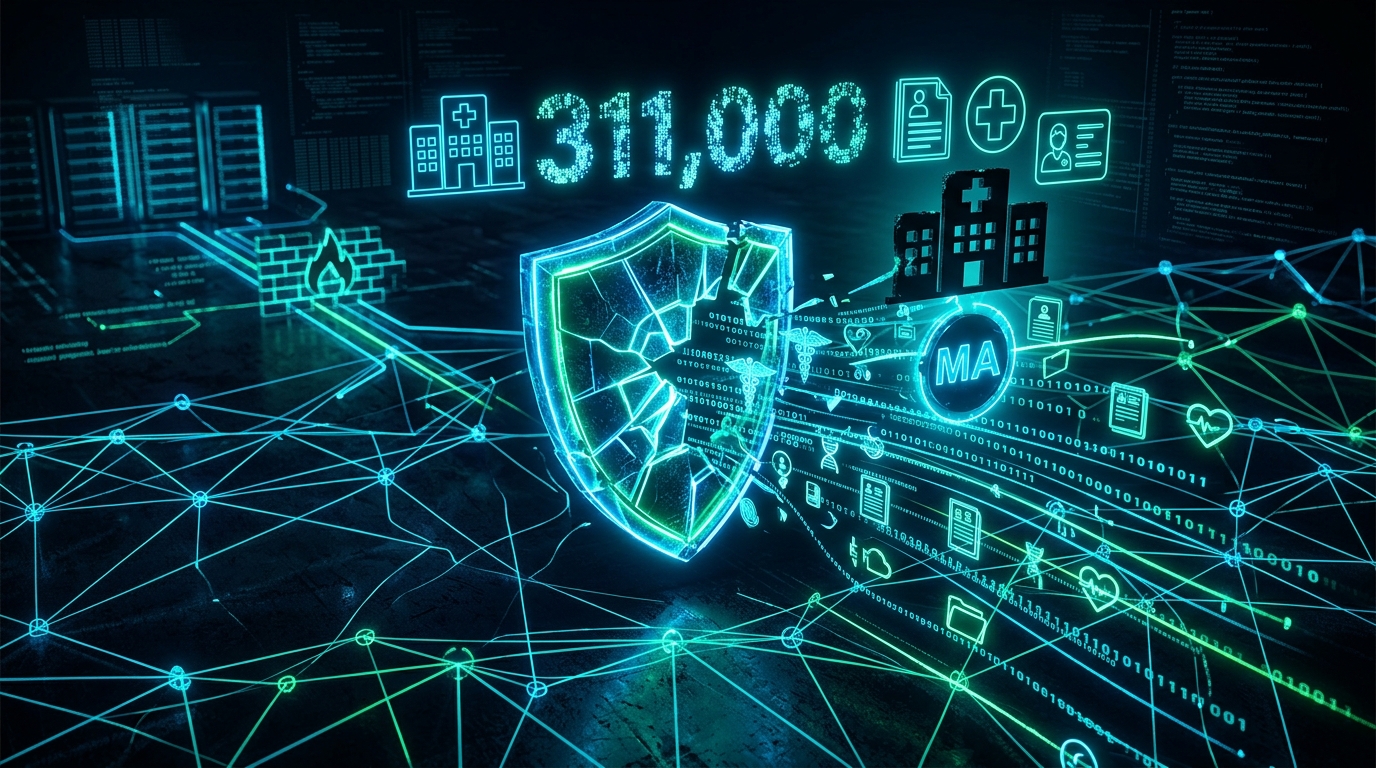
What Happened
Lifespan Physician Group of Massachusetts, operating as Brown Health Medical Group-MA, a healthcare provider based in Massachusetts, has publicly disclosed a major data breach affecting more than 311,000 individuals. According to the announcement made on August 5, 2026, cyberattackers managed to steal highly sensitive personal, medical, and financial information belonging to both patients and staff. This development once again highlights how valuable a target the healthcare sector continues to be for cybercriminals.
According to a notification letter filed with the Massachusetts Office of Consumer Affairs and Business Regulation, the incident initially occurred in December 2025 on a historic file server at the group's Hawthorn location. However, it took until June 22, 2026, after months of digital forensic investigation, to definitively determine that the attackers had accessed personal information on that server. This lengthy timeline demonstrates the complexity of cyberattacks and the time-consuming nature of determining the full scope of a breach.
In its official notification to the U.S. Department of Health and Human Services (HHS), Brown Health Medical Group-MA stated that exactly 311,760 people were affected by the breach. The vast majority of this number, 290,357 individuals, are residents of Massachusetts. The company emphasized that the organization's electronic health record (EHR) system was not affected by this incident. This suggests that the attack focused on an older, potentially less secure system rather than the main patient databases.
The Data Compromised
What makes this breach particularly alarming is the variety and sensitivity of the leaked data. The attackers gained access to a wide range of information that can be used for identity theft, fraud, and blackmail. According to the company's statement, the compromised data categories include:
- Personal Identifiable Information (PII): Basic identity information such as names, contact information (address, phone number, email), and dates of birth.
- Official Identification: Social Security numbers (SSNs), driver's license numbers, and other government-issued ID numbers. SSNs are among the most valuable data for cybercriminals as they can be used to open new lines of credit, file fraudulent tax returns, and commit long-term identity theft.
- Medical and Health Information: Extremely private and confidential information such as diagnoses, treatments, prescriptions, and disability-related records. This data can be used for public shaming or blackmail, as well as in targeted phishing attacks. For example, it becomes much easier to trick victims with fake emails like, "There is an important update regarding your recent lab results."
- Financial Information: Bank account information and credit/debit card numbers. This information can be used for direct financial theft, potentially leading to victims' accounts being drained.
- Personnel and HR Records: Human Resources records, including employee salary and compensation information, and licensure or credentialing information, were also leaked. This indicates that not only patients but also the organization's employees are at risk. This information could be used to launch social engineering attacks against employees or to understand the company's internal structure.
Brown Health Medical Group-MA noted that "not all categories of information were impacted for all individuals." This means that while not every victim had all of this information stolen, everyone was affected by at least one or more of these categories.
How the Attack Happened
According to the company's disclosures, the attack centered on a "historic file server" located at its Hawthorn facility. This terminology implies that the server was likely an older, archival system that may not have been subject to the same stringent security controls as more current systems. Cybercriminals often target the weakest links in an organization's network, such as unpatched software, weak configurations, or forgotten legacy systems.
The fact that the main electronic health record (EHR) system was unaffected indicates that the attackers infiltrated a more peripheral system and exfiltrated data from there. No information has been shared regarding the identity of the threat actor behind the attack or whether any ransomware group has claimed responsibility. An investigation by SecurityWeek found no evidence of any known cybercrime groups taking credit for this incident.
Who Is Affected
Those affected by the breach fall into two main groups: patients who have received or are currently receiving services from Brown Health Medical Group-MA, and the institution's current or former employees. In total, the data of 311,760 individuals was compromised. While the majority of these individuals reside in Massachusetts, it is possible that residents of other states are also affected.
Given the diversity of the stolen data, each victim faces different risks. Those whose financial information was leaked are at risk of direct fraud, while those whose medical records were compromised may face privacy violations and targeted phishing attempts. Individuals whose Social Security numbers were stolen must confront the long-term threat of identity theft.
What You Can Do
If you have received a notification from Brown Health Medical Group-MA or have had a relationship with the institution, it is critical to take immediate action to protect yourself. Here are the steps you should take:
- Take Advantage of the Free Services: The organization is offering affected individuals two years of free fraud detection, identity protection, and restoration services. Follow the instructions in the letter sent to you to enroll. These services typically monitor your credit reports and alert you to any suspicious activity involving your identity.
- Freeze Your Credit Reports: Contact the three major credit bureaus in the U.S. (Equifax, Experian, and TransUnion) to place a freeze on your credit reports. A credit freeze prevents new credit accounts from being opened until you lift the freeze. This is one of the most effective measures against identity theft and is usually free.
- Review Your Account Statements: Carefully review all your bank and credit card statements. Immediately report any transactions you do not recognize or find suspicious to your bank.
- Be Wary of Phishing Attacks: Cybercriminals can use the stolen personal and medical information to send you highly convincing and personalized fake emails, text messages, or phone calls. Be extremely skeptical of any unsolicited communication that asks for personal information, or prompts you to click a link or download an attachment.
- Strengthen Your Passwords: Change the passwords for your online accounts, especially those related to financial and healthcare services. Use unique, complex passwords for each account and enable multi-factor authentication (MFA) wherever possible.
What the Company Says
Brown Health Medical Group-MA stated that it isolated the affected server immediately after detecting the incident and has taken steps to secure its networks. The organization said it is implementing additional security measures and re-training its employees on cybersecurity to prevent similar incidents in the future.
In their statement, they said, "We apologize for any inconvenience this incident may have caused. We are committed to protecting the privacy and security of your data." The company presented its decision to provide two years of identity protection services as part of this commitment to support affected individuals. However, no further technical details about the perpetrators or how the attack could have been prevented were shared.
Source
https://www.securityweek.com/311000-impacted-by-brown-health-medical-group-ma-data-breach/
This content was generated with AI assistance through our Argus Flow application. We are continuously working to improve Argus Flow; if you encounter any issues such as translation errors, incorrect sources, or unverified information, you can report them using the button below. We appreciate your feedback.