
Novo Nordisk Breach Shows Development Pipeline Risk
Danish pharmaceutical giant Novo Nordisk is in trouble over a leaked GitHub token. The incident once again shows why secrets management is an identity problem, not a tooling problem.
What Happened
June 18, 2026 - The cybersecurity world is once again buzzing with news of a breach at a major company. This time, the spotlight is on Novo Nordisk, the Danish pharmaceutical giant known for its diabetes and obesity treatment drugs. However, this breach isn't a typical ransomware attack or a database hack where millions of users' personal data were stolen. This wound comes from much deeper within, from the very heart of modern software development: a leaked GitHub token.
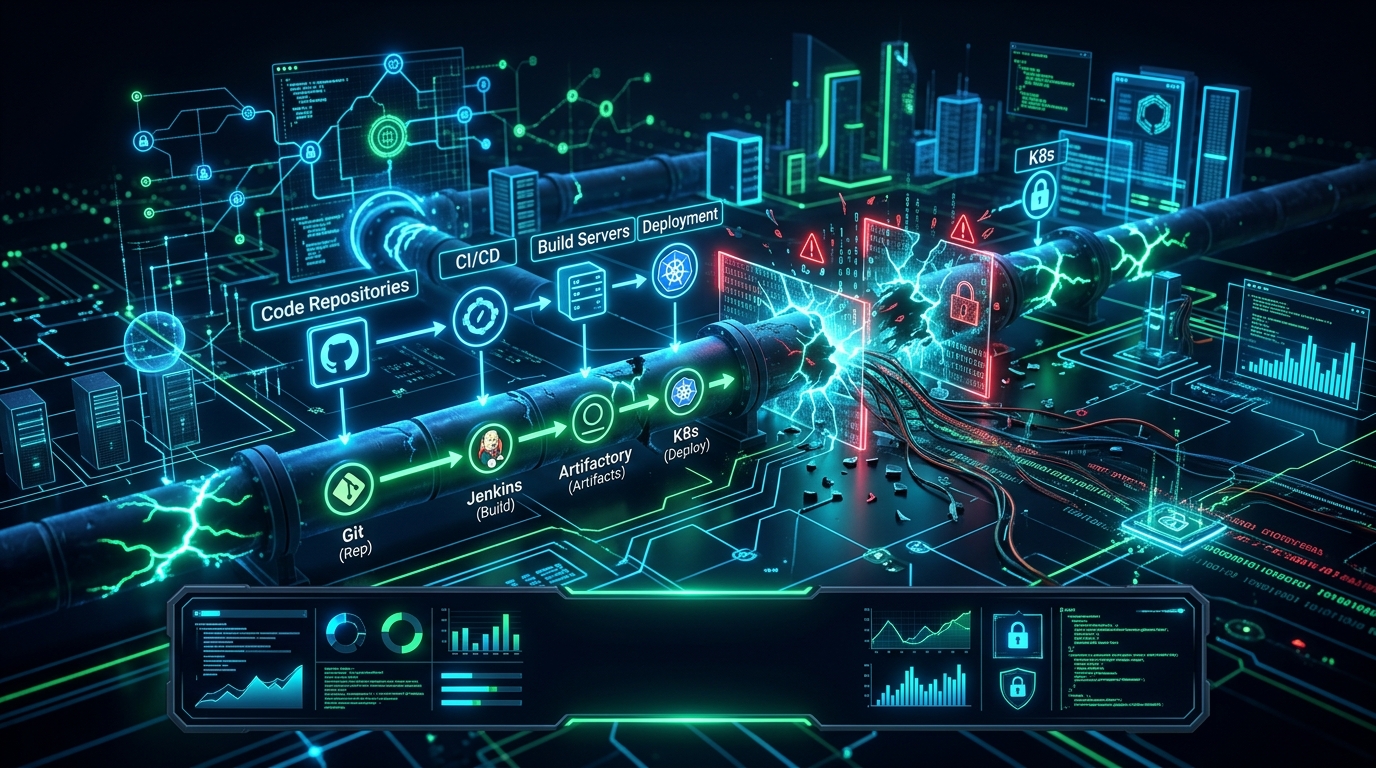
At first glance, the event might seem like a simple mistake. A GitHub token—a digital key belonging to a developer or an automated system that provides access to code repositories—was somehow exposed. But this simple mistake opened the doors to Novo Nordisk's highly sensitive and critical system known as the software development pipeline. This means all the processes showing how the company builds, tests, and distributes its digital products are potentially exposed. It's akin to not just the finished cars being stolen from a car factory, but the entire assembly line, the robot programs, and the production secrets.
This incident also delivers a slap-in-the-face reality check about a fact often discussed in cybersecurity circles but not sufficiently understood in boardrooms. Security doesn't end with buying and installing expensive tools. The real issue is managing who uses these tools, when, and why—in other words, it's about identity.
What Data Was Leaked
Novo Nordisk has not yet provided a detailed statement on what exact data was affected by the leak. In such incidents, companies often prefer to remain silent until the internal investigation is complete. However, it's not hard to imagine the consequences of a leaked GitHub token. It can create a domino effect.
Potentially at risk could be:
- Source Code: The blueprints for the company's software, applications, and internal systems. This is one of the most valuable parts of the company's intellectual property. For competitors or malicious actors, this code is like a treasure map.
- Infrastructure Configurations: Files that specify how servers, databases, and cloud services are set up and managed. An attacker with this information can easily find other weak points in the system.
- Other Embedded Secrets: To save time, developers sometimes embed other "secrets" like API keys, passwords, or certificates for accessing other systems directly into the code. The initial leaked token could cause a chain reaction, like one key revealing the key to another safe.
For now, it is unknown whether customer or patient data was directly affected by this leak. However, the possibility of a software supply chain attack is always on the table. If attackers gained access to the company's codebase, the risk of them injecting malicious code into future product updates theoretically exists. The company's investigation into this matter is ongoing.
How Did the Attack Happen
At the center of this attack isn't a complex exploit or a zero-day vulnerability. At its core is a "secret" that is a cornerstone of modern software development: a GitHub token. The technical details of the attack have not yet been shared with the public, but the essence of the event is quite clear.
A GitHub token is a string of characters that grants a user or an automation tool (like a CI/CD pipeline) permission to access code repositories on GitHub. It works like a password but often has more extensive permissions and is designed for machine-to-machine communication. This token was exposed somehow, for example, by being accidentally committed to a public repository or stolen from a developer's computer.
Once the attackers got their hands on this token, they no longer had to "hack" a system. They logged in as a legitimate user or service—the owner of the token. This is the point that transforms the incident from a "tooling problem" into an "identity problem."
Most organizations approach secrets management with a mindset of, "Let's buy a tool like HashiCorp Vault or AWS Secrets Manager, put our secrets there, and we're safe." However, the real problem is who can access that vault. If you leave the key to the vault (in this case, the GitHub token) lying around, it doesn't matter how secure the vault is. The Novo Nordisk incident shows that the identities of humans and machines accessing these secrets are just as critical as the secrets themselves. A token is not just a password; it's an identity. And when that identity is stolen, the attacker becomes you.
Who Is Affected
The effects of this leak are spreading in waves.
- Novo Nordisk: The company itself is the biggest victim. It could face serious consequences like intellectual property theft, reputational damage, regulatory investigations, and potential fines. Not to mention the immediate investments they will have to make to secure their software development processes.
- Investors and Partners: Concerns about the company's security posture could lead to stock price volatility and a loss of trust from business partners.
- The Developer Community: This event serves as a warning for software developers worldwide. It's a painful lesson showing how a secret accidentally added to a line of well-intentioned code can lead to catastrophic results.
- Potentially Patients and Customers: If the breach evolves into a software supply chain attack that leads to malicious code being inserted into products, the end-users of Novo Nordisk's products could also be at risk. While this is only a possibility for now, it is the most frightening scenario for such leaks.
What You Can Do
Both individual developers and companies should learn from this incident. So, what can you do?
If you are a developer:
- Never Hardcode Secrets: This is the first and most important rule. Database passwords, API keys, tokens... none of them belong in your code. Keep them separate.
- Use Environment Variables: The most basic way to separate secrets from your code is to define them in the environment where the application runs. This prevents secrets from being stored with the code.
- Scan Your Code: Before you push your code to a repository, use tools that detect accidentally committed secrets. Open-source tools like `git-secrets` or platforms' native scanning features can help with this.
- Principle of Least Privilege: Grant your tokens only the minimum permissions necessary for the job they need to do. If a token only needs to read code, don't give it write or delete permissions.
If you manage a company or are on a security team:
- Treat Secrets Management as an Identity Problem: Buying an expensive secrets vault is not enough. Establish strict identity and access management (IAM) policies that govern who (human or machine) can access that vault, when, from where, and why.
- Embrace Automation: Set up systems that automatically scan for secrets before developers can push their code to a repository (integrate it into your CI/CD pipeline). If a secret is detected, block the push automatically.
- Rotate Secrets Regularly: Passwords and keys should not be valid forever. Automatically rotate your secrets at regular intervals. This way, even if a secret is leaked, the window of opportunity for an attacker to use it is very limited.
- Training, Training, Training: Continuously train your developers on secure coding practices and secrets management. Make security a part of your culture, where it's everyone's responsibility.
What the Company Is Saying
Novo Nordisk has confirmed the incident and stated that they took immediate action to contain the leak. In an initial statement, the company said an internal investigation has been launched and is being handled in collaboration with leading cybersecurity firms. The statement read, "As soon as we became aware of the incident, we immediately revoked access for the leaked token and launched a comprehensive investigation to determine the scope of the impact. Our current priority is to ensure the full security of our systems and data." The company added that they will share more information as the investigation progresses.
Source
https://www.darkreading.com/cyber-risk/novo-nordisk-breach-exposes-dev-pipeline-risk
This content was generated with AI assistance through our Argus Flow application. We are continuously working to improve Argus Flow; if you encounter any issues such as translation errors, incorrect sources, or unverified information, you can report them using the button below. We appreciate your feedback.