
Japan Power Firm Loses Drive With Customer Data
One of Japan's leading power companies has announced the loss of a portable storage device containing the personal information of tens of thousands of its customers. The incident once again shows that the weakest link in the cybersecurity chain is often human and physical error.
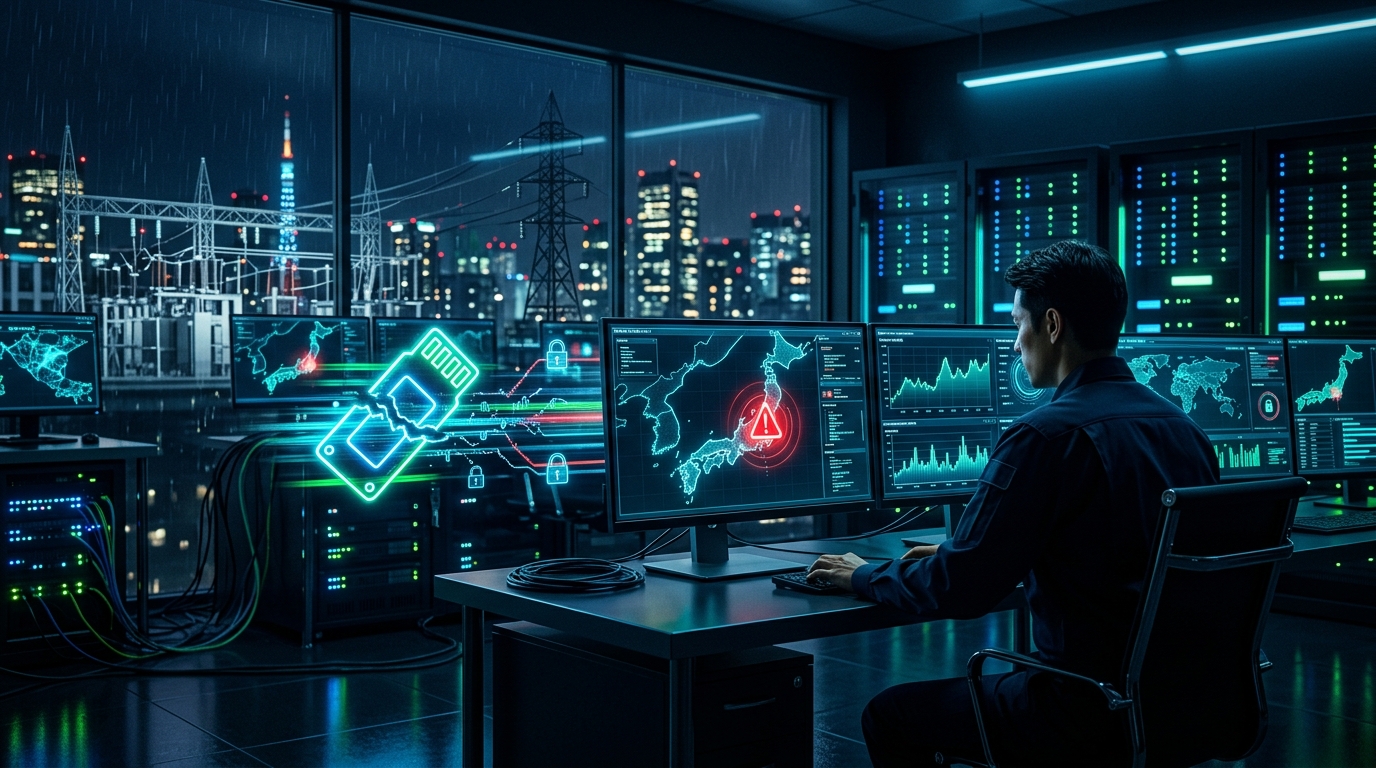
What Happened
A major energy supplier operating in Japan shook the tech and business world with a statement it released yesterday evening. The company informed the public that a portable storage drive containing sensitive data of current and former customers has been lost. The date is June 10, 2026. Whether this is simple negligence or organized theft is not yet clear. But the consequences could be potentially severe.
The incident came to light when an employee noticed the drive was missing and reported it to their superiors. What was initially thought to be a simple misplacement within the office turned into a crisis when the drive could not be found despite detailed searches. The company announced it has launched an internal investigation into when and by whom the drive was last used. These types of incidents usually come in the form of digital attacks, i.e., hackers infiltrating systems. But this case is a reminder of an old-school danger: physical data security. The possibility of someone pocketing a small device that holds the lives of thousands of people, without needing to write complex code to breach a server, can render all security protocols meaningless.
The company's initial statement did not provide clear information on whether the drive was encrypted. This detail is one of the most important factors that will determine the severity of the incident. If the drive is unencrypted, anyone who finds it can easily access all the data. Even if it is encrypted, how strong the password is and whether it can be broken is another matter of debate. Reports indicate that Japan's data protection authority, the Personal Information Protection Commission (PPC), was immediately notified and the process has now escalated to an official investigation.
Data Compromised
What exactly was on the lost drive is the biggest source of concern. According to the company's preliminary report, the drive contained a comprehensive dataset including the following:
- Full Names: Basic information for customer identification.
- Home and Business Addresses: Billing and service point information. This directly reveals where people live and work.
- Customer Numbers: Unique identification numbers assigned to each subscriber, allowing them to be recognized within the system.
- Phone Numbers and Email Addresses: Contact information, which is a gold mine for phishing attacks.
- Energy Consumption Habits: This is perhaps one of the most private types of data. Details such as when a person is home, when they go on vacation, and how many people live in the house can be estimated from energy consumption patterns. This information is invaluable for malicious actors planning physical thefts.
The company specifically emphasized that direct financial data such as credit card or bank account information was not on this drive. It was stated that payments are managed through a different, more secure system. While this is somewhat reassuring, the other leaked information, when combined, provides enough material for identity theft and fraud scenarios. When a scammer calls you with your address, customer number, and phone information, it becomes very difficult not to believe they are from the company.
How the Breach Happened
It's hard to define this incident as a traditional "breach." There is no hacker, no ransomware, no virus. The event seems to stem entirely from a vulnerability in physical security procedures. So how could this happen? Several scenarios are being considered.
The first and most innocent one is human error. An employee might have dropped the drive while moving it from one place to another, forgotten it at a cafe, or accidentally thrown it away. Such lapses can happen in the fast-paced environment of large corporations. However, this raises the question of why such sensitive data was kept on an unencrypted or inadequately secured portable device.
The second scenario is a deliberate insider act. A disgruntled employee or a former staff member might have stolen the drive for revenge or financial gain. This type of data can find buyers on the dark web for a significant amount of money. Internal security cameras and access logs will play a key role at this point.
The third and less likely scenario is targeted theft. This means someone was specifically after this data and stole the drive when they found the opportunity. This could be considered industrial espionage or organized crime.
The real problem is why such critical customer data was stored on a portable drive in the first place. Today's security standards require such data to be stored only on tightly controlled, encrypted central servers with access logs. When data needs to be moved, end-to-end encrypted virtual private networks (VPNs) or secure file transfer protocols are used. Copying data to a physical drive is an extremely outdated and risky method for the year 2026.
Who is Affected
The company is refraining from giving a precise number of affected customers, but initial estimates suggest the number could be in the tens, or even hundreds, of thousands. Those affected are not just the company's current subscribers. It has been confirmed that the drive also contained data of former customers. This means that even people who stopped using the company's services years ago could be at risk.
Households and businesses in a specific region of Japan are directly affected. These people are no longer just subscribers; they are potential victims of fraud and identity theft. The elderly and those who are not tech-savvy will be particularly vulnerable to scammers who call them and verify their personal information.
What You Can Do
If you are or were a customer of this company, it's a good idea to take some steps without panicking. Here is some specific, non-cliché advice for you:
- Stick to Official Channels: In the coming days, you may receive fake emails, text messages, or phone calls that appear to be from the company. Never trust messages like, "Your data has been leaked, click here to verify your account." If the company needs to contact you, it will do so through verifiable means like its official website or by mail. To check if an email is real, carefully examine the sender's address, but the safest bet is to not touch the email at all and go directly to the company's website yourself.
- Be Wary of Phone Scammers: Be skeptical of anyone who calls you and says, "We're calling from the power company, there's a problem with your bill. Can you confirm your customer number and address to verify?" Remember, the scammers already have this information. Their goal is to use it to get more from you, like your credit card details or passwords. Hang up and call the company's official number yourself to confirm the situation.
- Consider Your Physical Security: Although it's a small possibility that your energy consumption data was leaked, it could mean that it's possible to guess whether you're home or not. If you're going on a long vacation, avoid sharing this information publicly on social media. While this is general advice, it's even more important after this incident.
What the Company Is Saying
The official statement from the company is a typical example of Japanese corporate culture. The statement expresses deep regret and apology. The management asks for forgiveness from all its customers and the public for the anxiety and inconvenience caused.
The statement notes that a crisis response team has been formed to fully investigate the incident and that a comprehensive investigation is being conducted with both internal and independent cybersecurity experts. It also emphasizes that the relevant data protection authorities in Japan have been notified and that the company will cooperate fully with them.
However, the statement leaves some critical questions unanswered. Was the drive encrypted? What is the exact number of customers affected? Will any protection services (such as credit monitoring) be offered to customers? The company says these questions will be answered as the investigation progresses. Nevertheless, this uncertainty does little more than increase the anxiety of affected customers. Transparency is the first step to rebuilding trust in crises like this. The steps the company takes in the coming days will be decisive for the future of its corporate reputation.
Source
This content was generated with AI assistance through our Argus Flow application. We are continuously working to improve Argus Flow; if you encounter any issues such as translation errors, incorrect sources, or unverified information, you can report them using the button below. We appreciate your feedback.