
Charter Data Breach Exposes Millions of Customers
US telecom giant Charter Communications confirmed that the ShinyHunters cybercrime gang stole personal information from 4.9 million customers. The leaked data includes names, addresses, and phone numbers.
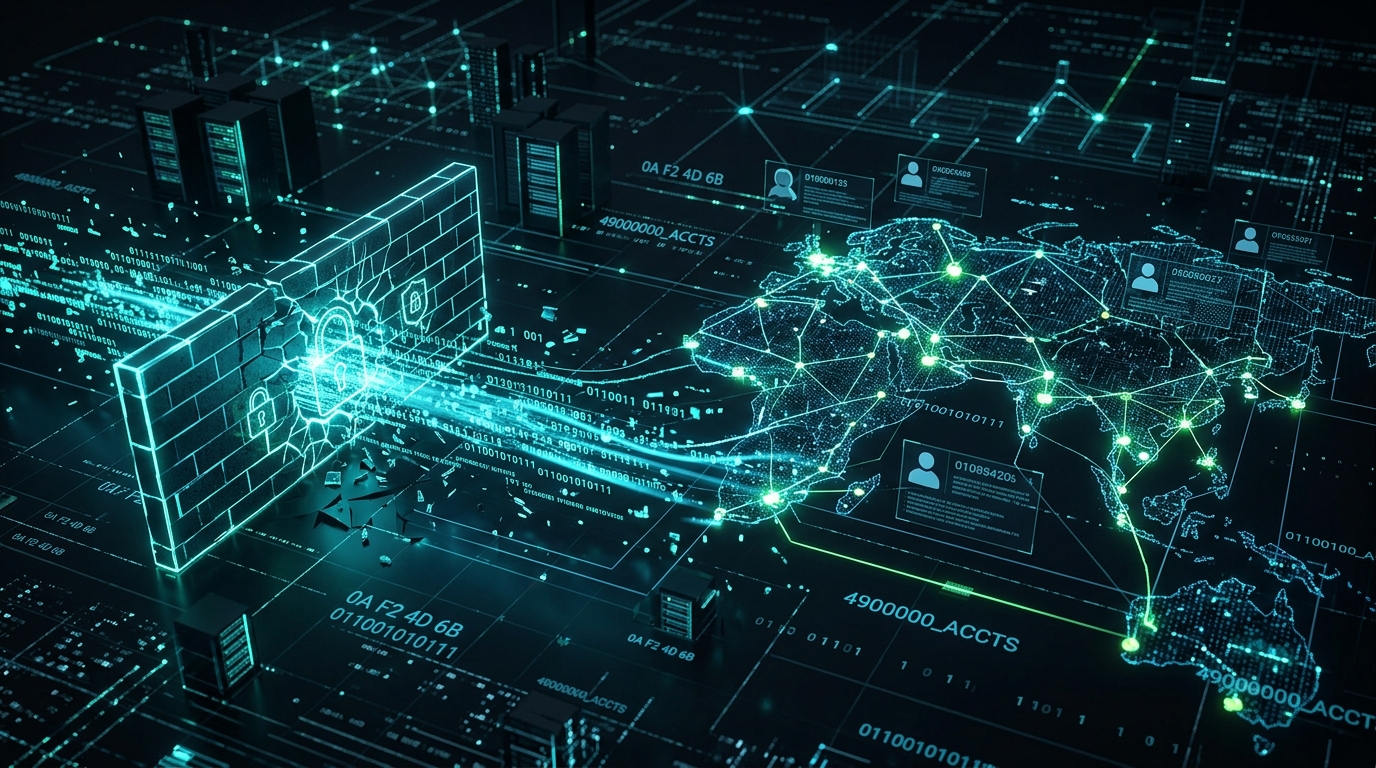
What Happened
Back in early April, a quiet and deep operation was underway within the servers of Charter Communications, one of the largest telecommunications giants in the United States. This massive entity, which provides internet and cable TV services to millions of American homes, was targeted by ShinyHunters, a notorious name in the world of cybercrime. The gang infiltrated the company's systems and exfiltrated a huge dataset belonging to an estimated 4.9 million customers. The incident only came to public light thanks to the data breach notification service, "Have I Been Pwned" (HIBP). When HIBP's founder, Troy Hunt, analyzed and loaded the breached dataset into his system, the alarm bells began to ring for millions of Charter customers.
This is not just another run-of-the-mill breach. Charter, operating under the brand name Spectrum, serves millions of households. This means that the cybercriminals didn't just get their hands on a company's database; they accessed the user information of a network that forms a significant part of the nation's communication infrastructure. The fact that the attack occurred in early April, yet the news broke in June—and not from the company itself but from an independent security platform—raises serious questions about Charter's crisis management. For how many weeks did millions of customers live unaware that their data might have already been up for sale on the dark web? For a financially motivated group like ShinyHunters, this data is a treasure trove that can be instantly monetized. And this treasure is now waiting to be used to cause trouble for millions of innocent people.
The Data That Was Stolen
So, what exactly did the hackers make off with? According to initial analyses, the compromised information is a scammer's dream come true. It can best be described as a "fraud starter pack." Here’s a breakdown of the types of data that were leaked:
- Full Names: The most basic piece of information needed to target victims directly.
- Email Addresses: The primary gateway for phishing attacks.
- Phone Numbers: A critical piece of data for fake SMS messages (smishing) and, more dangerously, SIM swapping attacks.
- Physical Addresses: Both billing and service addresses. This makes attacks much more believable and can even open the door to physical threats.
- Account Numbers: A unique identifier for the customer, which can be used as a "verification" step in social engineering attacks.
Perhaps the most frightening aspect is the synergy created when all this information is combined. An email address by itself may not be very dangerous. But imagine a scammer who knows your name, your home address, your phone number, and your account number with your internet service provider. When they call you and say, "Hello Mr. Smith, I'm calling from Spectrum. We've noticed an outage with your internet service at [Your Address]. To help you, I'm here. For your security, could you please confirm the last four digits of your account number?" most people wouldn't realize it's a trap. Because the caller already has the correct information. This data is perfectly suited for launching highly targeted and convincing phishing campaigns. Don't be fooled by the fact that credit card numbers or passwords weren't directly leaked. The real danger is the potential for this basic data to be used to steal more valuable information, like banking passwords or social security numbers.
How the Attack Happened
How were the defenses of a massive corporation like Charter breached? The company has yet to release an official, detailed statement, so for now, we can only speculate based on the analyses of cybersecurity experts and likely scenarios. However, we can make a few educated guesses by looking at ShinyHunters' past actions.
Scenario 1: Third-Party Vendor Breach. Large corporations often outsource operations like marketing, customer service, or billing. If one of these vendors has weak security measures, attackers can use them as a stepping stone to reach their main target, Charter. This is one of the most common attack vectors we've seen in recent years.
Scenario 2: A Vulnerable System. There may have been an unpatched, critical vulnerability in one of the company's public-facing servers, such as a customer portal or an API. Groups like ShinyHunters constantly scan the internet for these kinds of weak points and are masters at exploiting the first opportunity they find.
Scenario 3: A Successful Phishing Attack. Even the strongest security systems are vulnerable to human error. A fake email sent to a Charter employee with high-level privileges could have been enough to steal their credentials. An attacker who infiltrates the network with these credentials can then slowly escalate their privileges to gain access to the most valuable databases.
ShinyHunters' identity and motivation are also important. This group is typically after financial gain. They steal data, publish a portion of it on forums as proof, and then extort the company: "Either pay the ransom or I'll sell/release all the data." It's unknown whether Charter paid a ransom, but the fact that the data reached HIBP suggests that an agreement may not have been reached.
Who Is Affected
On paper, the answer is simple: 4.9 million Charter/Spectrum customers. But in reality, the impact is much wider. This figure could represent 4.9 million households, potentially affecting 10-15 million people. Those affected are not just the person who pays the bill; everyone living at the same address and using the same internet connection is at risk. This demographic includes people from all walks of American life: from young professionals in big cities to elderly couples in rural areas. Individuals with low digital literacy or those unfamiliar with scam tactics are prime candidates to become victims of this breach.
Imagine you have an elderly relative. When scammers call them and say, "We've detected suspicious activity on your Spectrum account, we need to confirm the card information you use to pay your bill," they can be incredibly convincing because they already have the name, address, and account number. This breach has the potential to trigger a new wave of scams targeting the most vulnerable segments of society.
What You Can Do
Let's set aside the classic "change your password" advice that follows news like this. Yes, you should change your password, but the most important steps you need to take are quite different. Because the biggest risk right now isn't someone logging into your Spectrum account, but someone using your leaked information against you.
1. Raise Your Paranoia Level: From now on, treat every email, every text message, and every phone call claiming to be from Charter/Spectrum as a potential trap. They will approach you with excuses like "there's a problem with your account," "your bill is unpaid," or "we have a special offer for you." Don't click on links. Never give out personal or financial information over the phone. If you think there might be a problem, hang up and call the company yourself using the number you find on their official website.
2. Lock Down Your SIM Card: The leak of your phone number opens the door to SIM swapping fraud. Attackers can call your mobile carrier, impersonate you, and have your number transferred to their own SIM card. Once they succeed, your two-factor authentication codes, such as those for banking, start going to them. To prevent this, immediately call your mobile carrier (whether it's Spectrum Mobile, AT&T, Verizon, or another) and have them add a "Port-Out PIN" or security passcode to your account. This makes it nearly impossible for your number to be transferred without your knowledge.
3. Freeze Your Credit Reports: With your name, address, and other personal information, scammers can apply for credit cards or take out loans in your name. The most effective way to prevent this is to freeze your credit reports with the three major credit bureaus (Equifax, Experian, TransUnion). This service is free and prevents new credit applications from being processed. You can temporarily unfreeze it whenever you need to.
4. Check Your Information: Go to the Have I Been Pwned website and check if your email address has appeared in this or any other breaches. If your address is listed in this breach, you should take the steps above even more seriously.
What the Company Is Saying
After the incident became public, Charter Communications issued a rather standard and expected statement. A company spokesperson said, "We are aware of the claims and are investigating the matter with leading cybersecurity firms. We take the security of our customers' data very seriously. If our investigation determines that customer data was impacted, we will notify the affected individuals in accordance with the law." This statement is little more than a public relations template. The long silence between the attack in April and the public's awareness in June shows that the company has failed in terms of transparency. Waiting for the incident to be exposed, rather than proactively reaching out to and warning their customers, raises doubts about how seriously they are taking the crisis. It remains to be seen whether the company will provide a more detailed explanation in the coming days and whether they will offer services like credit monitoring to the affected customers.
Source
This content was generated with AI assistance through our Argus Flow application. We are continuously working to improve Argus Flow; if you encounter any issues such as translation errors, incorrect sources, or unverified information, you can report them using the button below. We appreciate your feedback.